


















What We Do
Diagnostic Testing
Ensuring our doctors have all the information they need to perform safe surgery through x-rays and lab tests
Testing Improves Surgical Outcomes
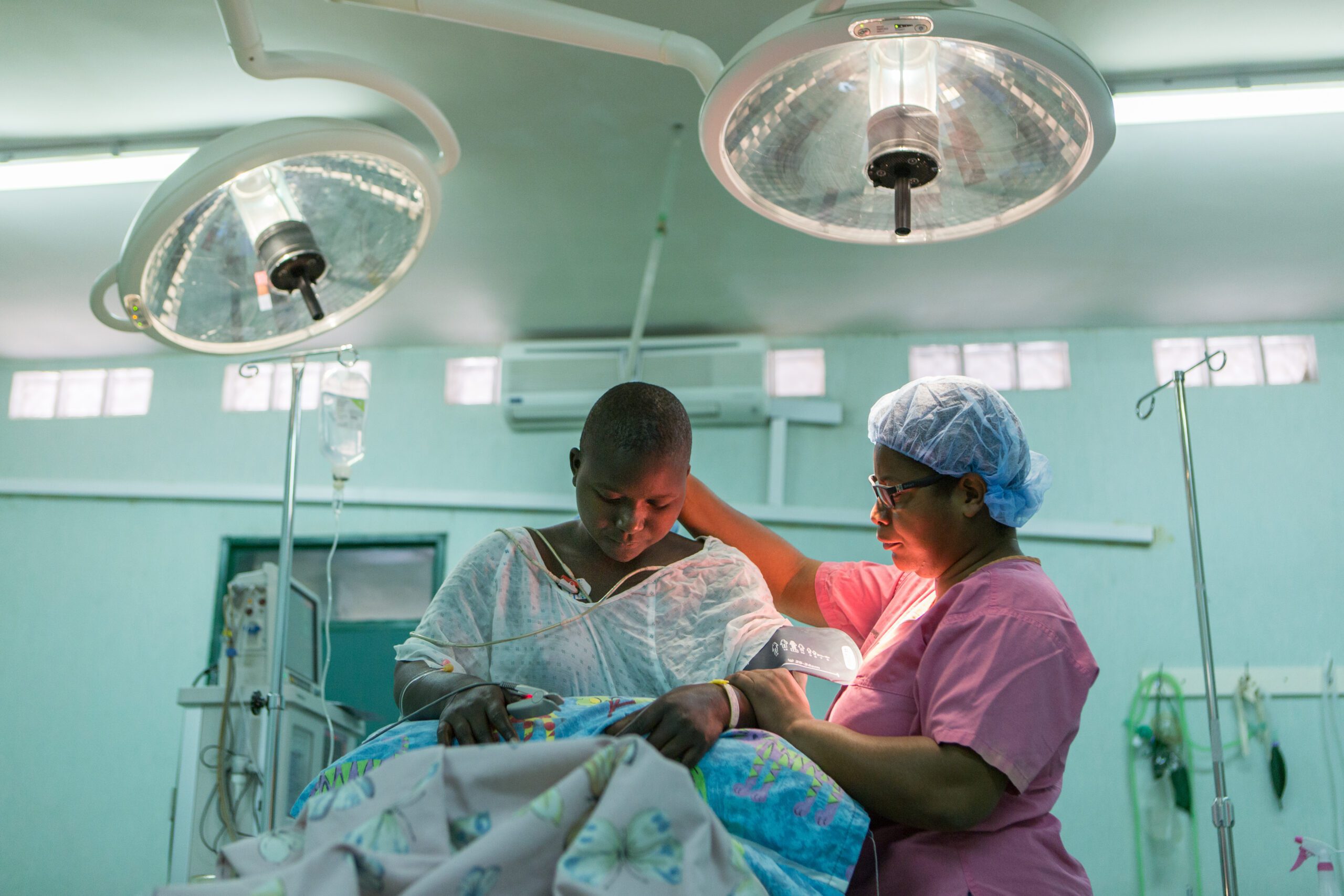
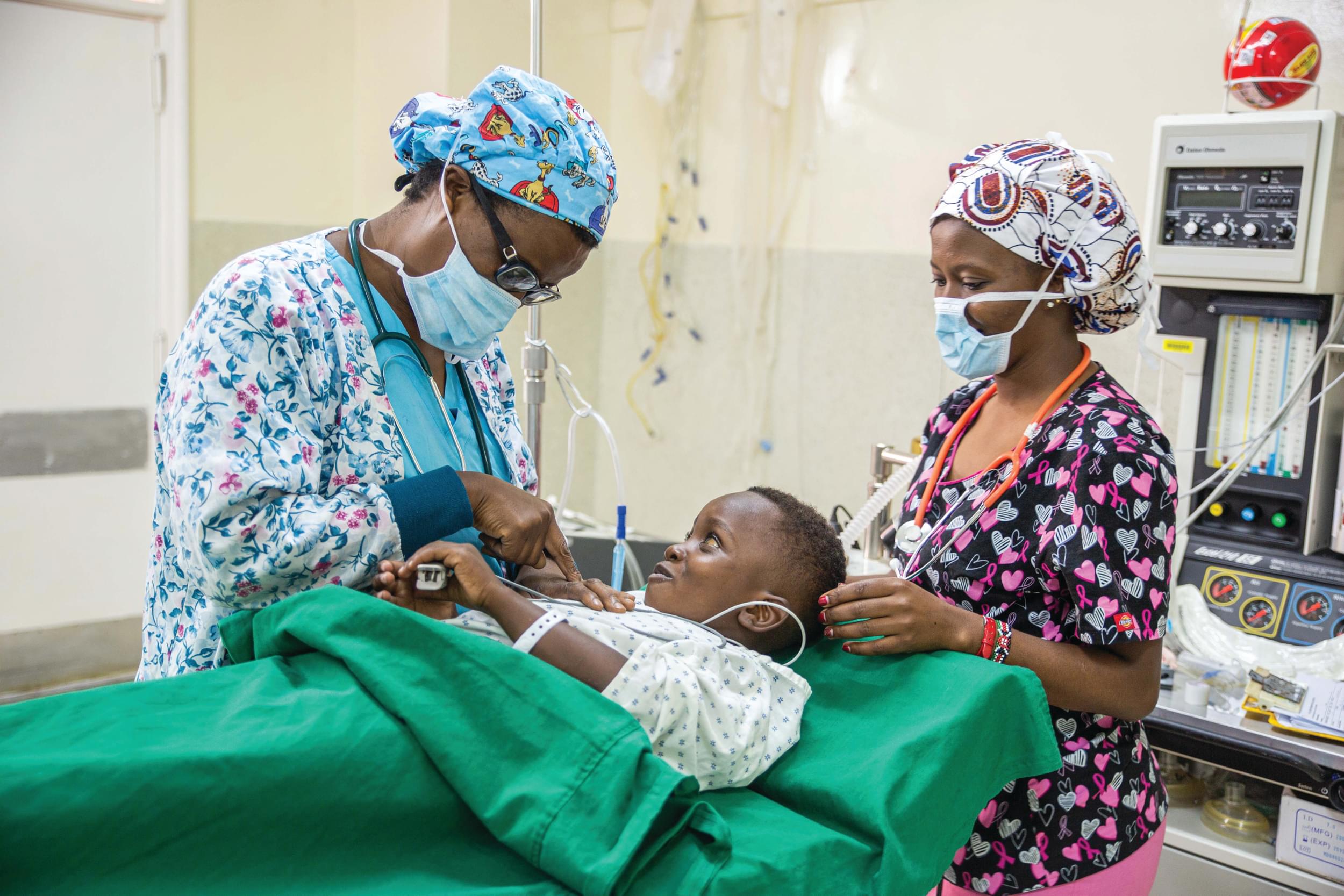
To safeguard each patient’s health before, during, and after surgery, CURE’s medical teams perform diagnostic testing using state-of-the-art equipment to ensure children are fully prepared for surgery, kept safe during procedures, and carefully monitored throughout recovery—providing a high standard of care at every stage. Such testing enables us to:


As part of our commitment to comprehensive care, we strive to proactively assess, prepare, and monitor each patient to ensure the safest surgical experience and recovery possible.
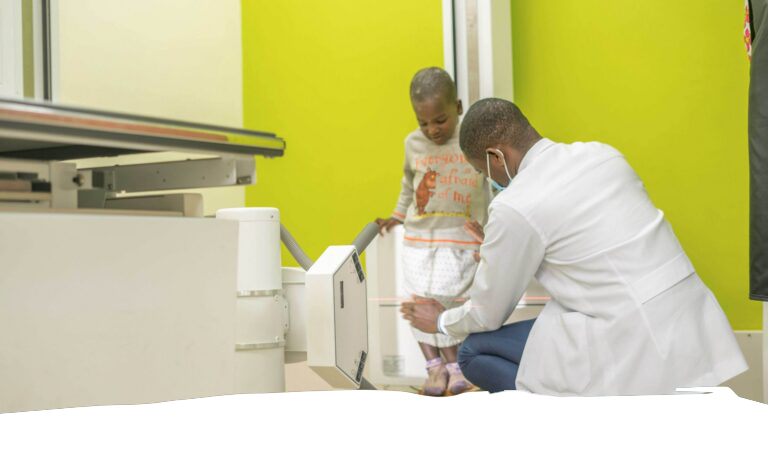
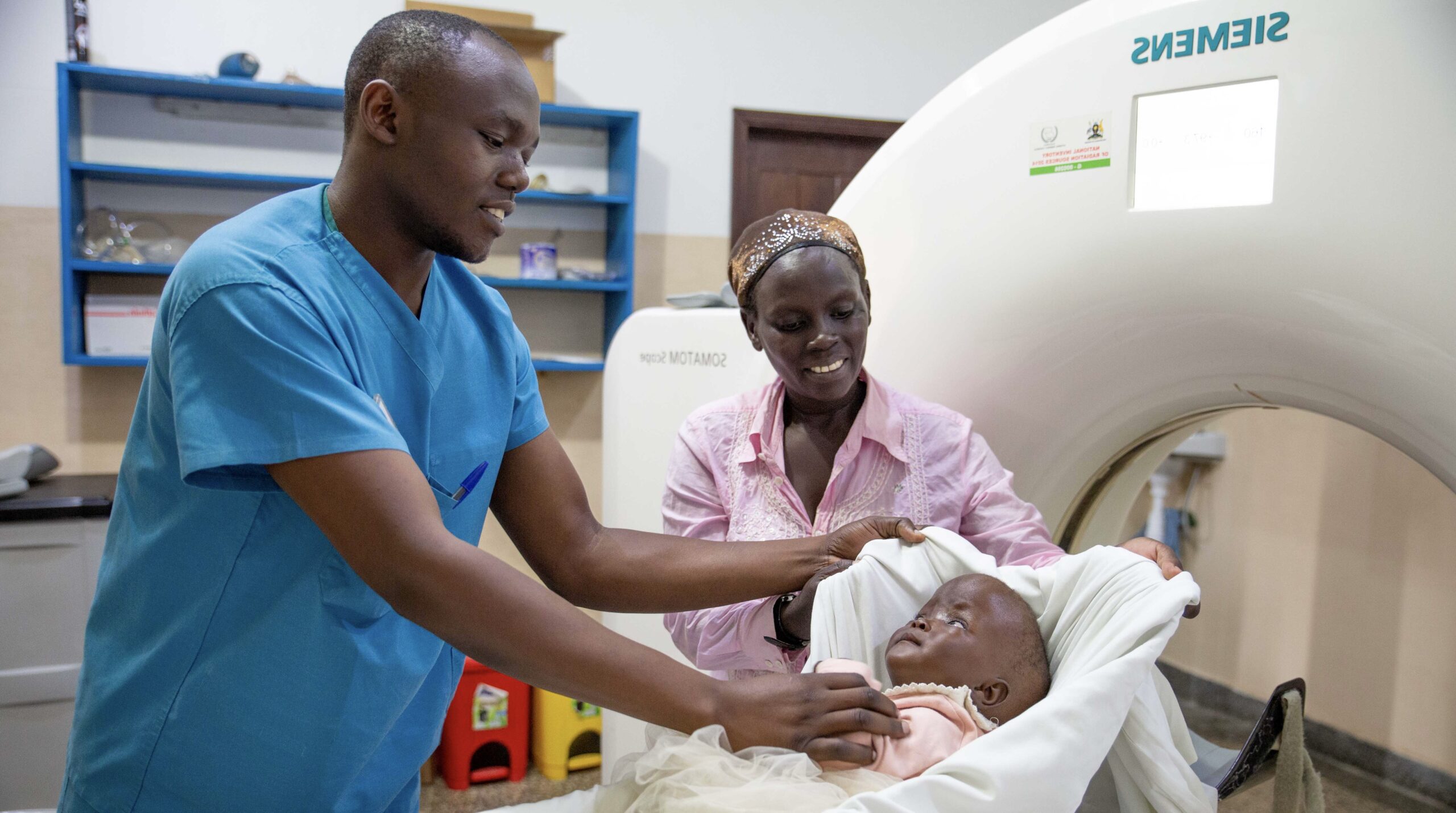
The most common diagnostic tests at CURE include blood work to check counts and electrolytes, x-rays, and brain CT scans (mostly performed at CURE Uganda).
More About Diagnostic Testing
No. When a patient visits a CURE hospital for an initial consultation, they undergo a physical exam. Diagnostic testing may be part of the evaluation, but it is tailored to their individual needs. Depending on their age and health history, some patients may need a lot of tests and some may not need any. We do testing only when necessary for proper diagnosis and treatment.
CURE is equipped to perform a variety of diagnostic tests, including x-rays, ultrasounds, and laboratory testing. X-rays are the most commonly used diagnostic testing, and all CURE hospitals have x-ray machines on-site. All our hospitals also have the capacity to do most laboratory testing internally, and all our operating rooms have a C-arm to take spot x-rays during surgery. This helps our surgeons assess things in real-time during surgery. For MRI and CT scans, we partner with other hospitals in the area.
When used with physical exam findings and a patient’s health history, diagnostic tests provide all the pieces CURE’s medical staff need to make an accurate diagnosis and create an effective treatment plan.
It depends! If a patient has traveled a long way for treatment at CURE, we try to get them into surgery as quickly as possible because we understand it may be difficult to travel to and from the hospital. Many times a patient’s condition is elective and can be scheduled for a later time that works best for their family or when their bodies have grown and developed a bit. Patients with certain conditions, such as cleft lip or palate, may be underweight or nutritionally deficient, so they must undergo nutritional support to get up to a healthy weight for surgery.