




















What We Do
Patient Consultations
Providing the highest standard of comprehensive care to children
Patient Consultations = The First Step in Life-Changing Care
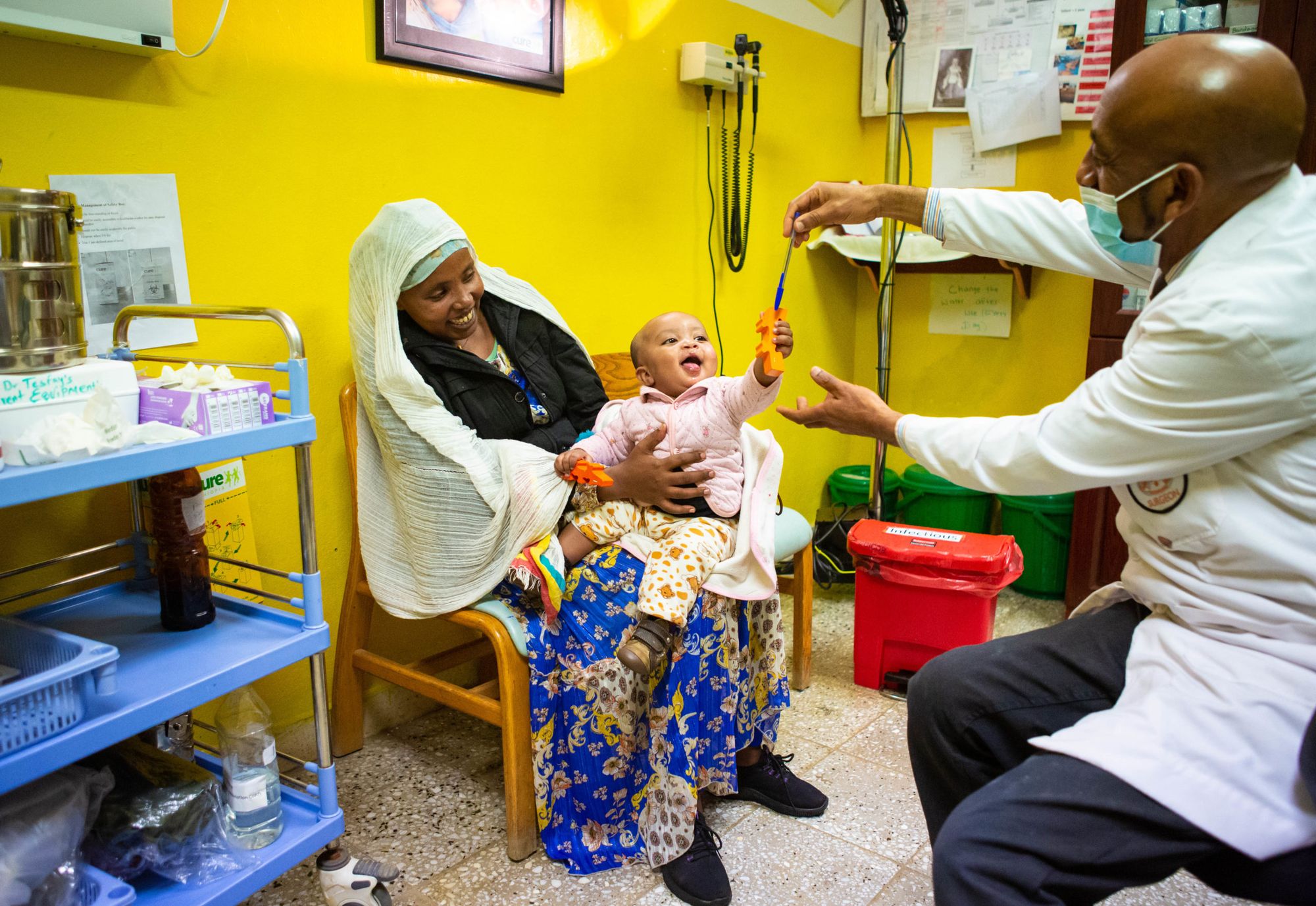
CURE offers outpatient consultations, at no cost to families, as part of each child’s comprehensive care plan. For some of the families we serve, meeting with the medical team at a CURE hospital may be the first opportunity they’ve had to discuss their child’s condition with a skilled surgeon. Some families have never received any kind of healthcare before.
CURE Provides Every Child with an Individualized Care Plan
Patient consultations are a vital first step in a child’s healing journey, laying the foundation for safe, effective, and compassionate care. Patient consultations include:


These consultations ensure every child begins their care journey with clarity, dignity, and a path toward healing.
More About Patient Consultations
The ultimate purpose of patient consultations is to make sure the medical team has a comprehensive picture of the patient’s health, history, and surgical needs so that when the patient is admitted, there are no complications or surprises. For example, surgeons need to consider the patient’s diet and ensure they are not malnourished before surgery. Poor nutrient intake can affect surgical outcomes, such as the effectiveness of a skin graft, bone fusion or growth, wound healing, etc. The best surgical candidates are those who are healthy, and consultations help us get our patients healthy!
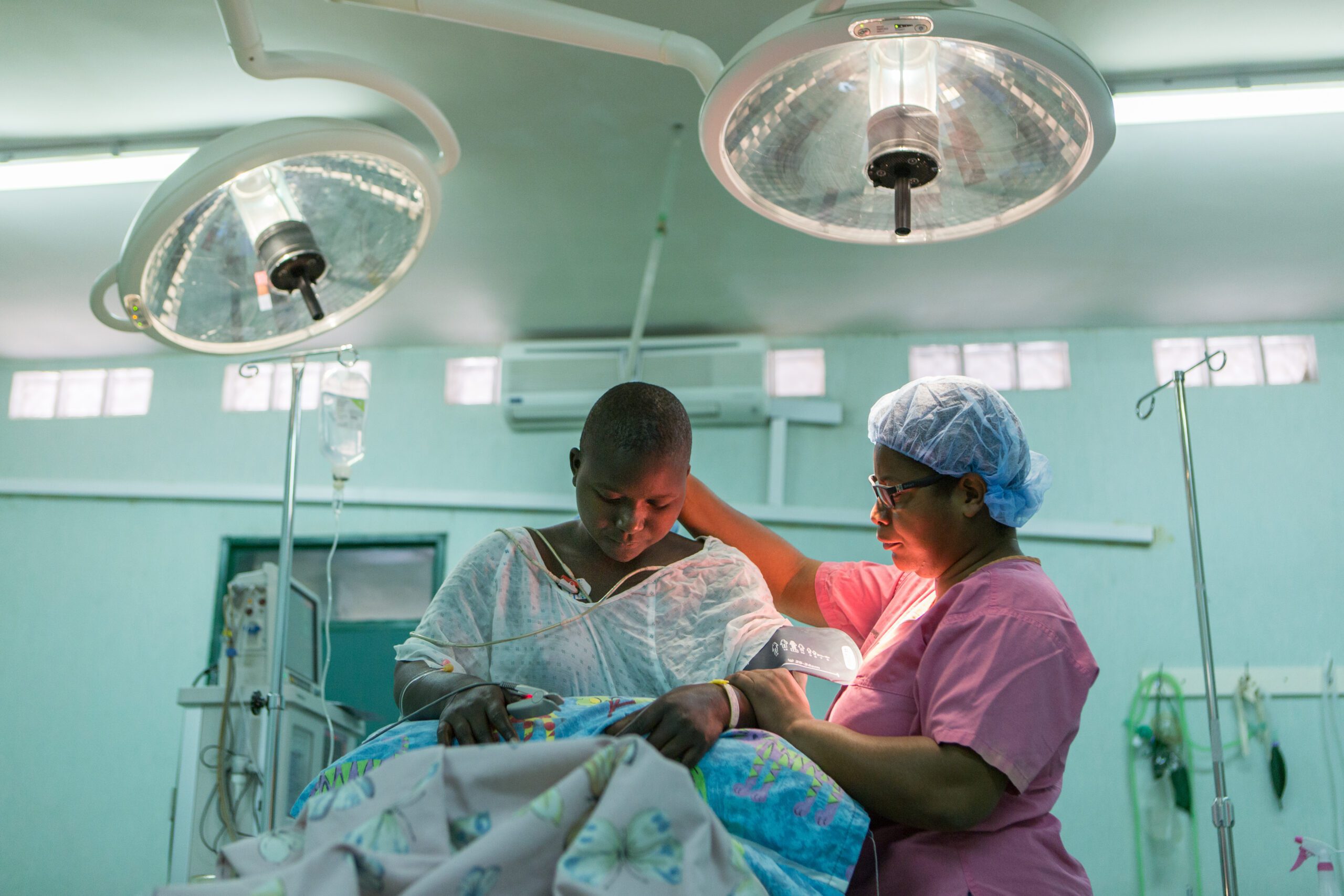
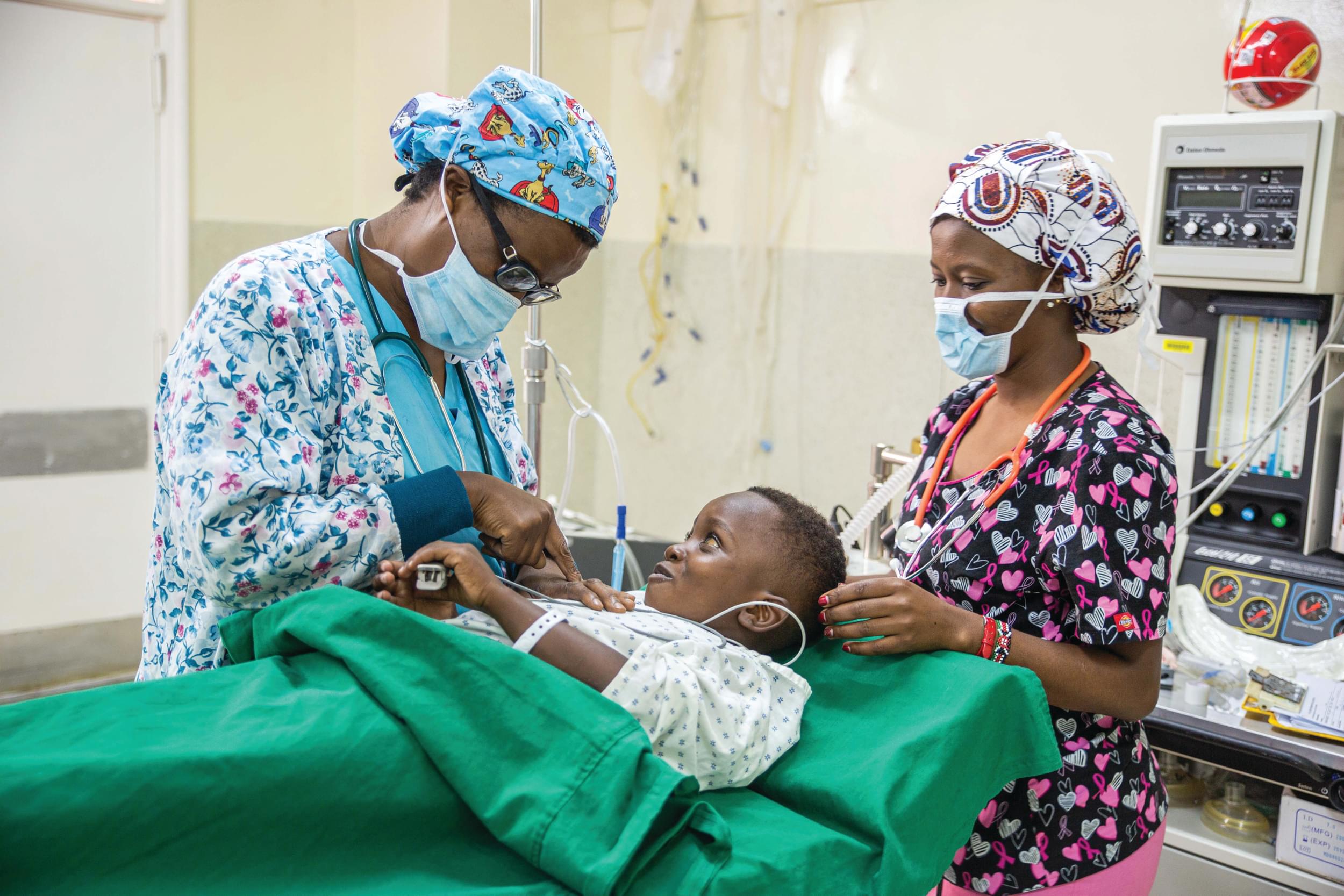
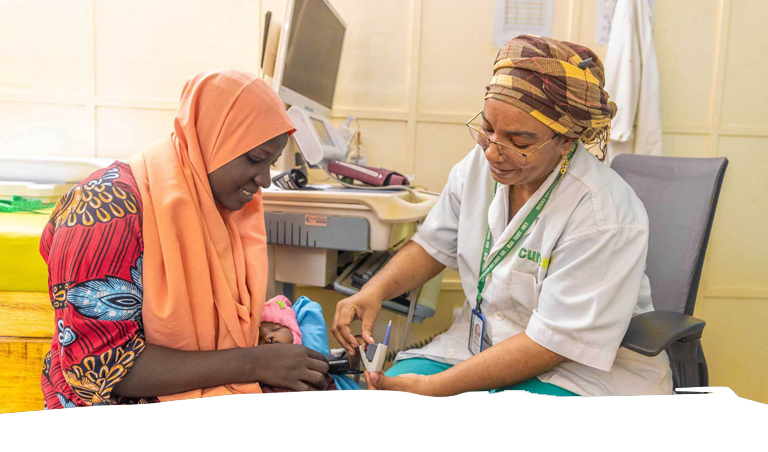
During patient consultations, the surgeon and medical team review the patient’s history and conduct a physical examination. If needed, the surgeon will order diagnostics or labs to better understand the patient’s condition. The patients and families also have the opportunity to ask questions about the hospital’s services or the surgery itself. CURE’s highly skilled medical teams are also trained on how to comfort and provide compassionate care to the patients and families we serve.
Patient consultations can occur once or multiple times before surgery, depending on the patient and their needs. If a patient needs surgery but is not medically fit (for example, they have abnormal lab results or a condition that could jeopardize the surgery’s success), then consultations can be an effective way to monitor the patient’s progress until they are ready for surgery.
If a patient has traveled from far away and their condition is urgent, the patient consultation might occur right when they arrive and surgery shortly thereafter. However, if a patient lives close to the hospital, the consultation might happen a few weeks or months before surgery.