












What We Do
Prescription Medications
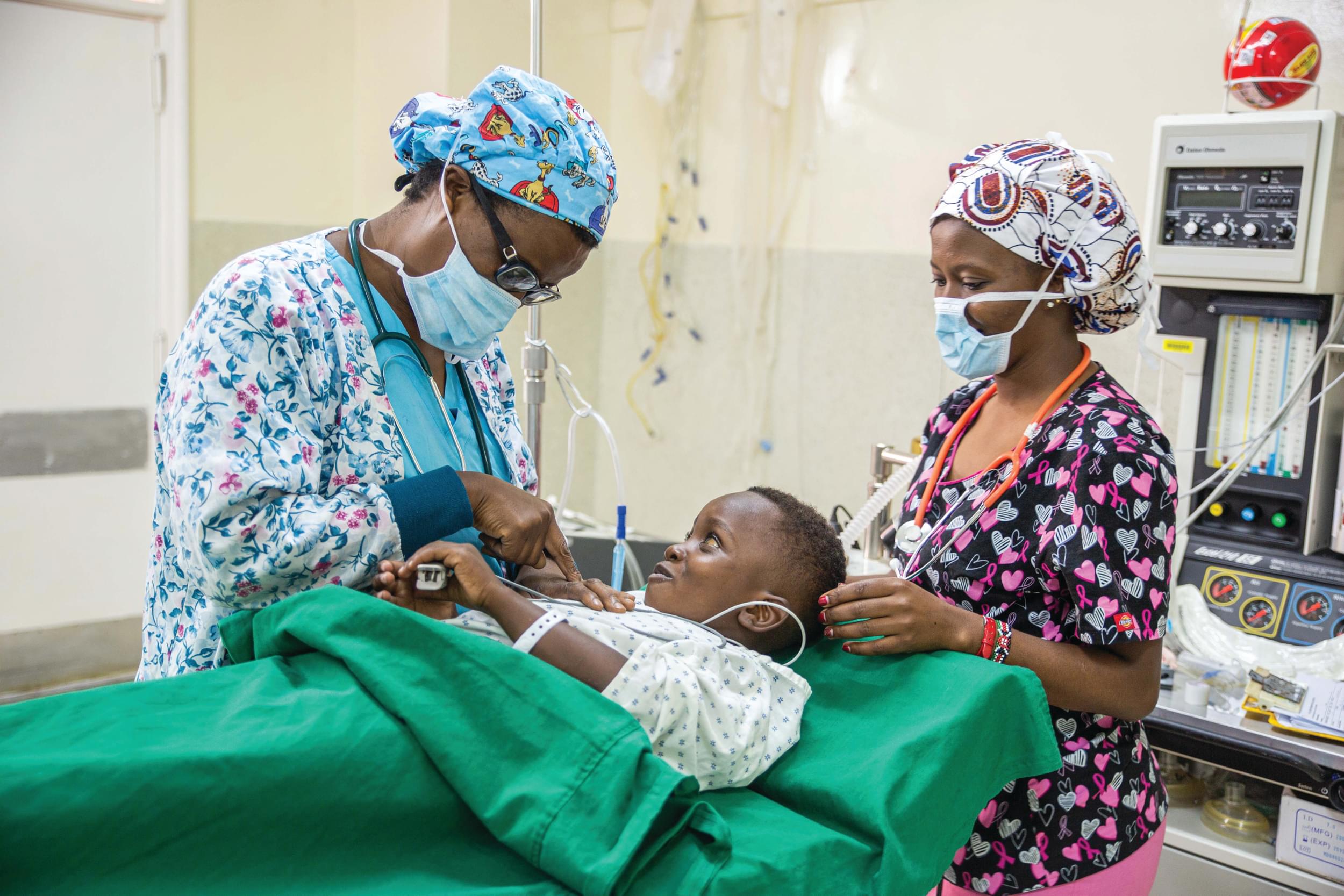
Supporting children’s overall health throughout their recovery
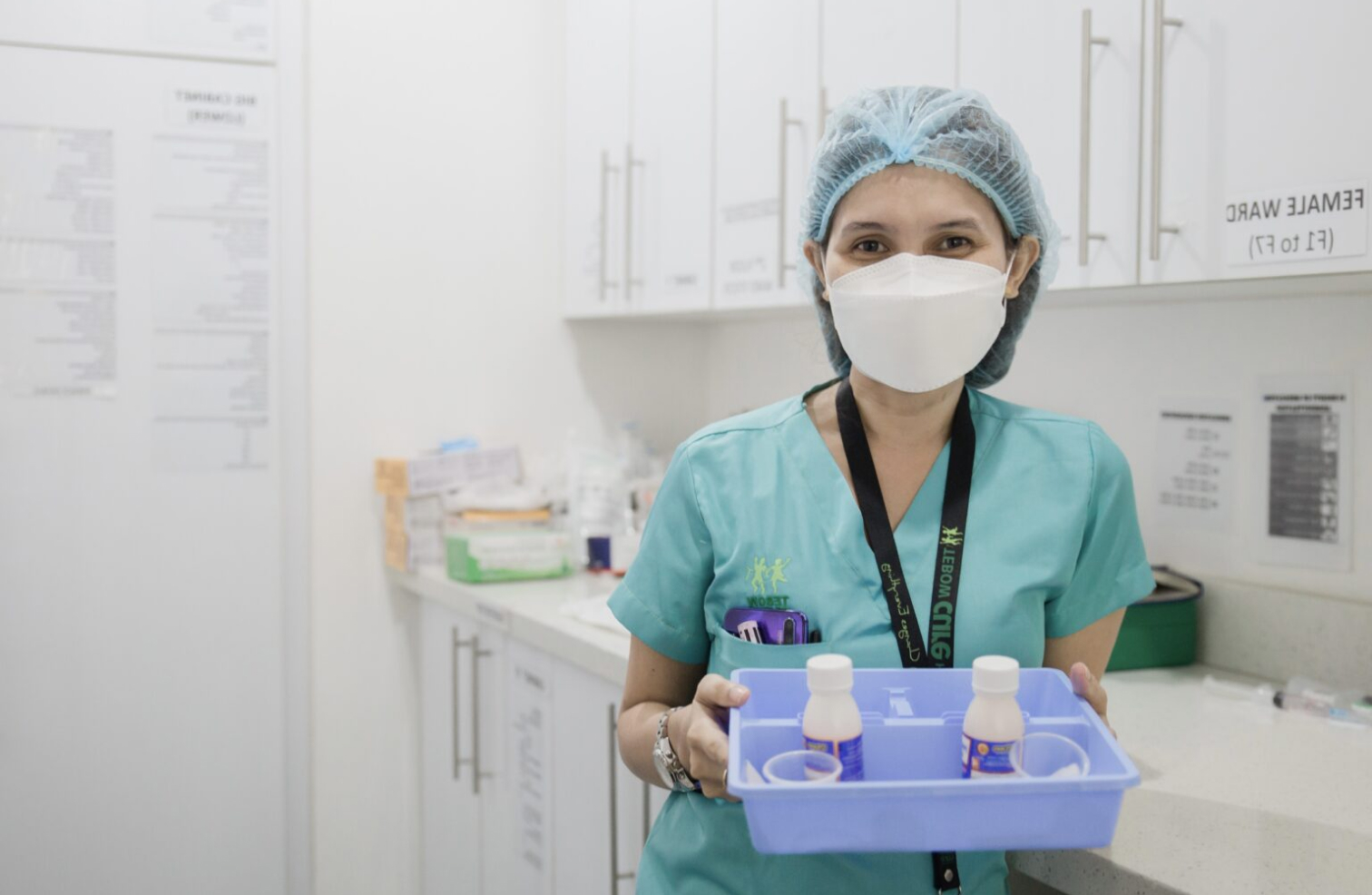
Essential Care Following Surgery
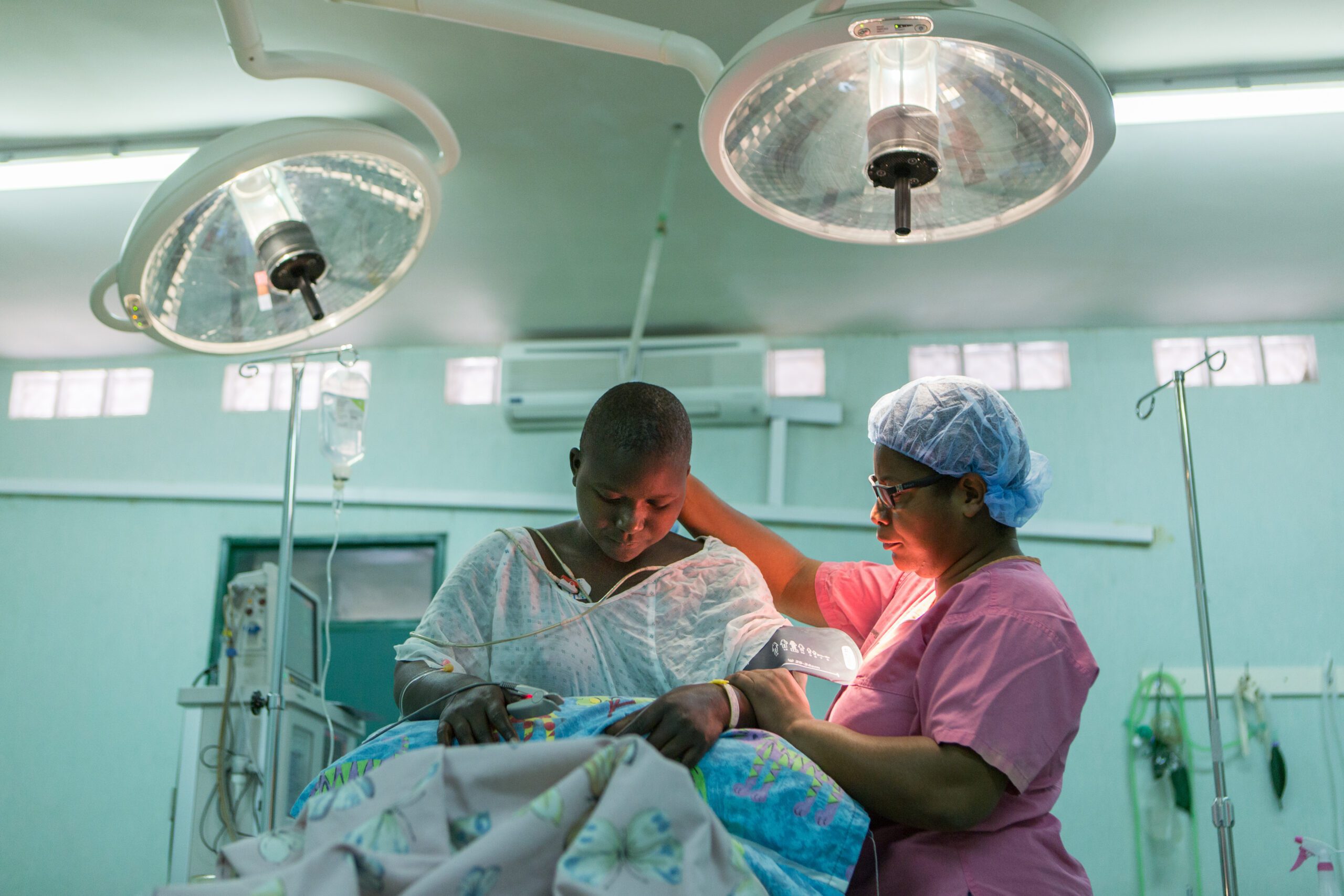
At CURE, we believe thorough postoperative care is crucial to our patients’ recovery. Part of that care includes access to necessary prescription medications, including:


Our highly skilled doctors prescribe only necessary and appropriate medications to ensure our patients are healthy enough to return to their normal activities as quickly as possible after treatment.
Did you know?
Every CURE hospital has access to the same medicines. We procure and ship them to the individual hospitals so they don’t have to obtain them locally.
More About Prescription Medications
Medicine is a critical component of treatment options in patient care. An accurate diagnosis allows our doctors to develop tailored treatment plans, often incorporating medications as a primary or supplementary approach. For some patients, simple medication, like those for vitamin D deficiency, may be sufficient for healing. In other cases, medications can alleviate pain, enabling quicker recovery.
The most commonly prescribed medications include antibiotics (when we see patients with an infection), medications for the operating room (anesthetics to help patients through surgery), anti-inflammatories, and vitamins to help patients suffering from nutritional deficiencies (especially for outpatient).
CURE procures medications through a dedicated team focused on partnering with organizations to source medications at competitive prices. We are centralizing procurement to enable bulk purchasing and more frequent shipments. To enhance inventory management, CURE is implementing an enterprise resource planning (ERP) system that will integrate with our electronic medical records (EMR) system. This integration is designed to simplify inventory tracking for supplies and medications, easing the administrative workload on hospitals.
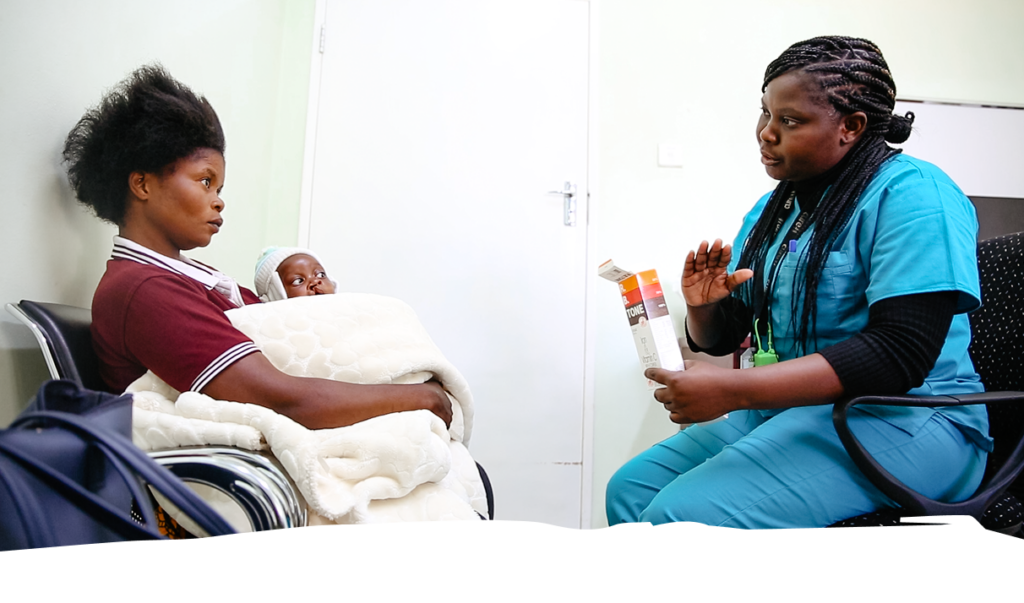
To ensure patients take their prescribed medications after returning home, education is essential. This begins during the first visit, where families are informed about the treatment process and the importance of adhering to medication schedules and exercises. Involving both patients and caregivers in the treatment plan fosters a team approach, making everyone aware of their roles. Since getting patients to comply with medication regimens is a universal challenge, clear communication about the importance of taking medications and participating in therapies is crucial. Additionally, while medications for children are used less frequently than for adults, we prioritize non-medication treatments whenever possible.