


















Scoliosis
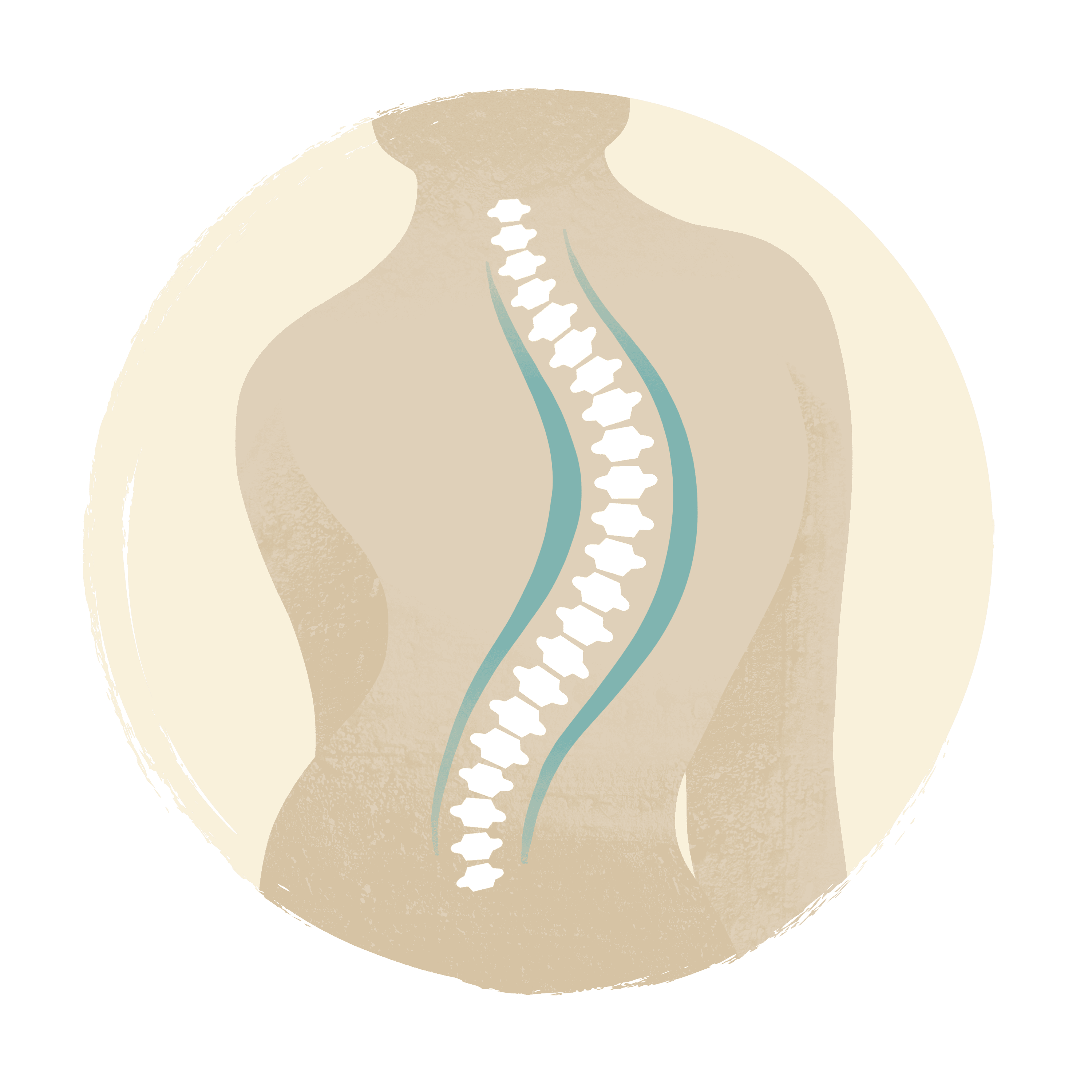
Scoliosis is a condition characterized by an abnormal curve in the spine, with a twist causing a distortion of the rib cage. This is sometimes very mild and no treatment is required. However, in low to middle-income countries that lack early intervention strategies, severe cases are more common.
The cause is often unknown and can occur during childhood or adolescence. The condition can arise from problems in early development, issues with the spinal cord, or related conditions. Scoliosis can range from mild to severe and often worsens as the spine grows. Significant scoliosis causes the rib cage to become distorted. On the side of the curve, the ribs become much more prominent. The shoulders can become unbalanced in height, and the trunk of the body can become shifted over to one side.
Severe untreated scoliosis can affect vital organs like the lungs and even the heart. Severe breathing problems can ensue, which could make doing a safe spine operation impossible and limit the child’s life expectancy.
What issues do children with scoliosis face?
Pain

Pain is sometimes associated with this condition, especially as the scoliosis worsens, and is often found over the prominent rib hump.
Stigma and exclusion

Children and their families often experience discrimination, leading to poor self-confidence and isolation. Untreated children will find school a challenging environment, and exclusion from school is common.
Limited Activity

Children with severe, progressive scoliosis experience breathlessness during activity, limiting participation in outdoor play. Early childhood lung and rib cage development can be impaired, leading to insufficient body weight and reduced life expectancy.
Treatment
Elongation-Derotation-Flexion (EDF) casting.
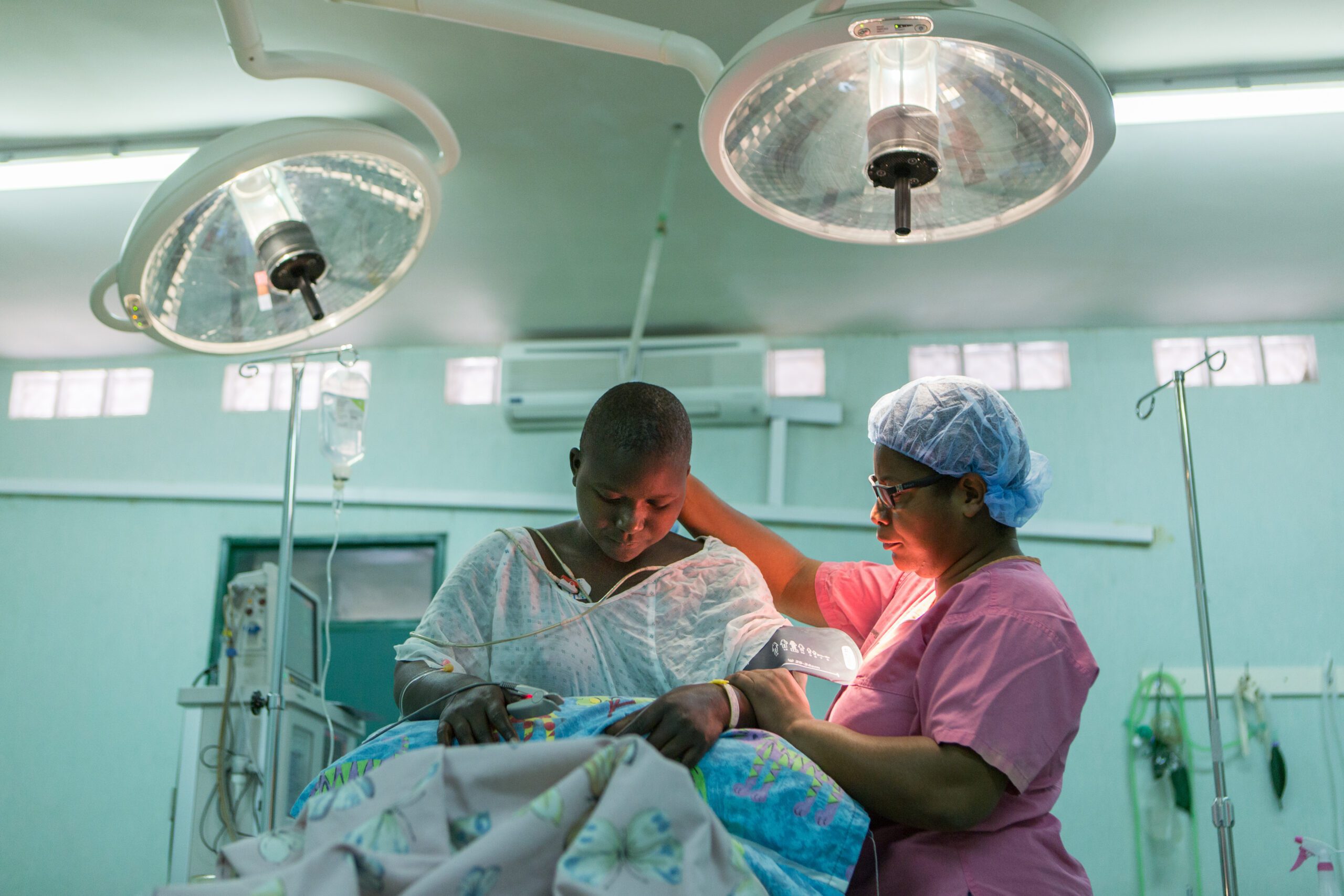
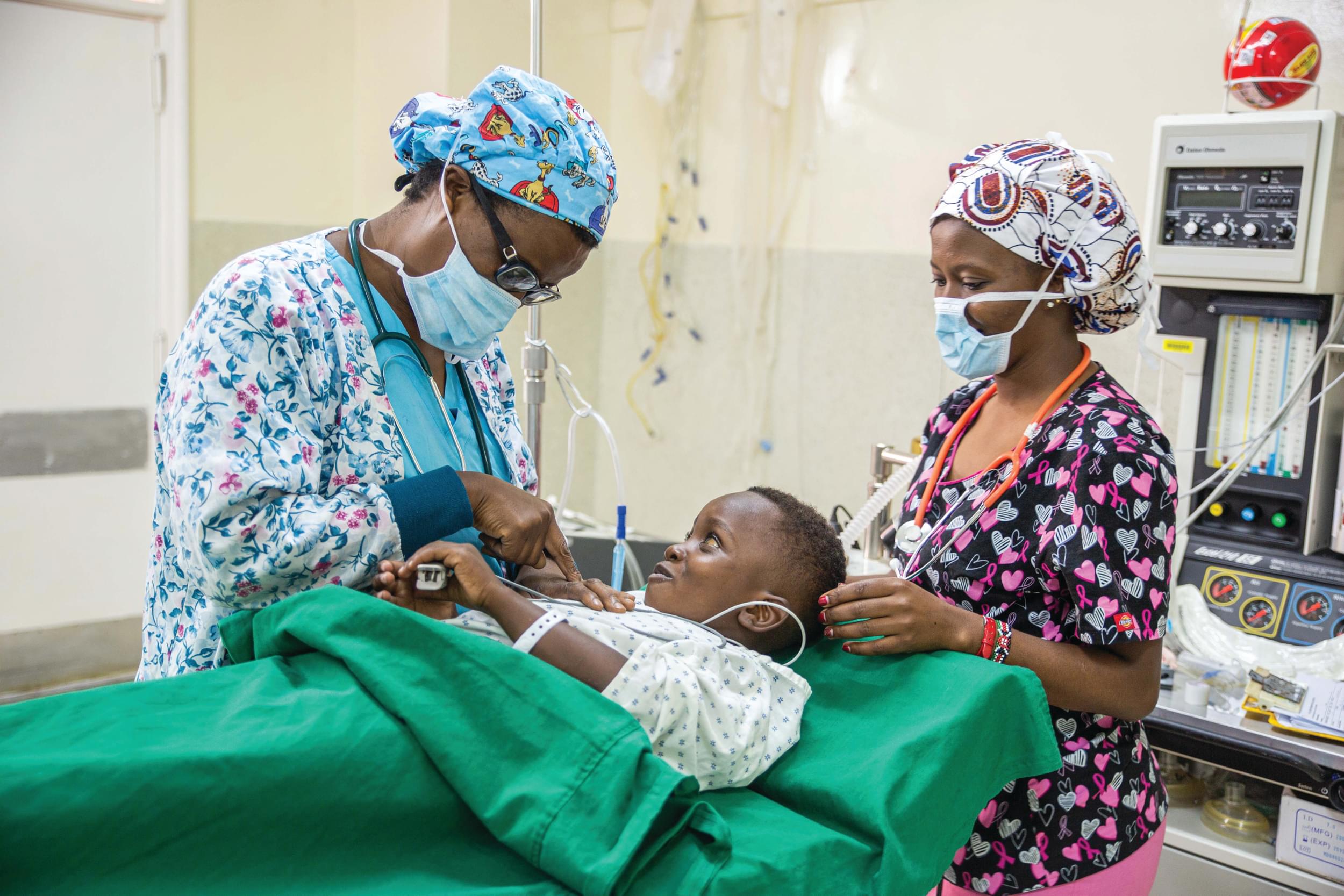
An EDF cast is applied to a child’s torso in the operating room while they are under anesthesia during gentle traction. During application, pressure is placed on the cast, causing the child’s spine to straighten. When the cast hardens, it holds their spine in position. As the child grows inside the cast, the spine becomes progressively straighter. After correction, a removable brace is worn.
EDF casting slowly straightens the child’s spine using a series of casts that are changed every two to three months. The number of casts needed and time taken to achieve correction varies according to the child’s speed of growth and the severity of the scoliosis.
In young children (age 18 months to 4 years) who are growing quickly, EDF casting can fully correct scoliosis. In older children (4-6 years), EDF casting is also used to limit scoliosis progression. This is helpful so that when the child is older, surgical intervention is better tolerated.
Growing Rod
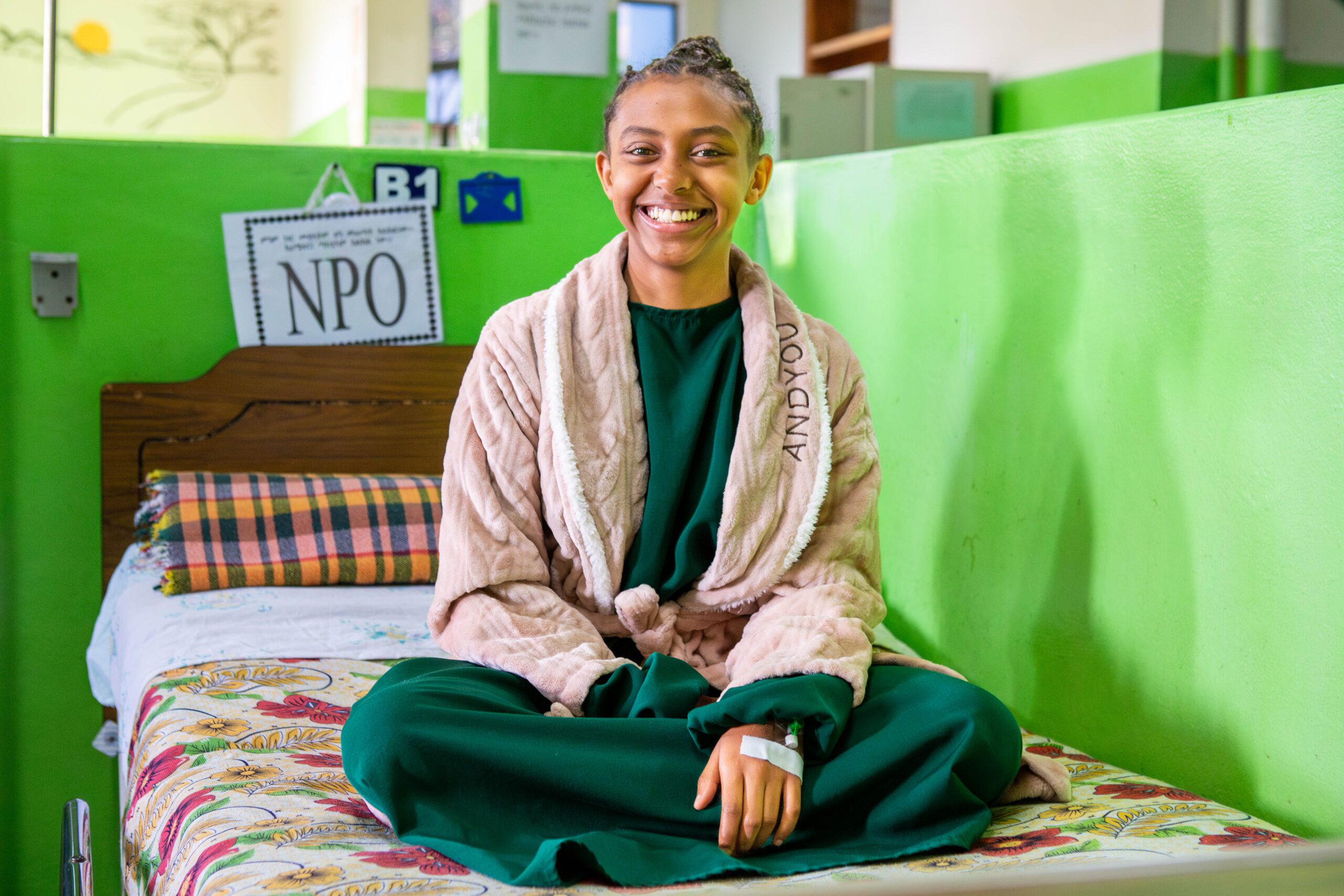
Growing rods are surgically inserted into older children’s spine who are still growing. Without intervention, the scoliosis curvature will advance to a severe degree. These rods prevent the child’s spinal curve from progressing and help straighten their spine, allowing for continued growth and for their lungs to mature fully. The rods may need periodic adjustment during the growth phase. Once most of the spine growth is complete, a spinal fusion is often needed.
Spinal Fusion
Doctors typically perform spinal fusion surgery to straighten scoliosis deformities in adolescence. Spinal fusion involves fusing vertebrae together to correct the curve and prevent scoliosis recurrence.
CUREkid Spotlight, Scoliosis
Haniel | CURE Uganda
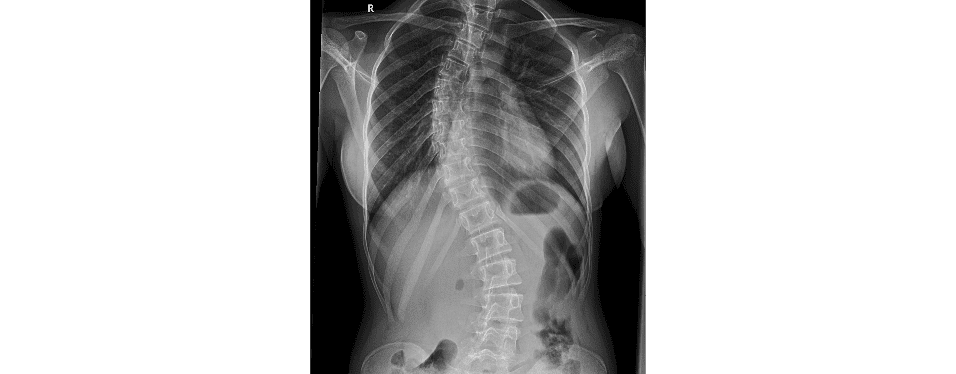
Before Surgery
Haniel has lived her adolescence with scoliosis that diminished her confidence and kept her isolated from her community. Her scoliosis was worsening and would have continued to progress without surgery.
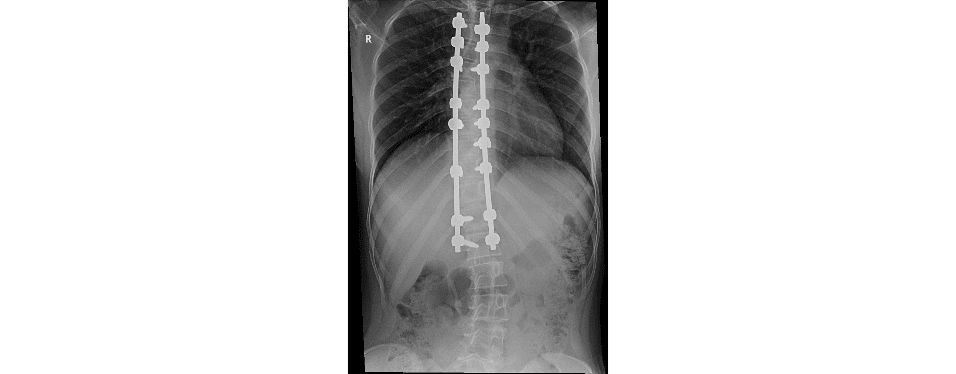
After Surgery
A team of highly skilled surgeons placed two rods in her spine to help keep it straight. Now, Haniel can look forward to a full life free from the complications of scoliosis. She shared, “I want to thank CURE for everything . . . and I want to thank God . . . I know He loves me.”