


















What We Do
Mobile Clinics
Reaching children in remote regions to provide medical care and share the gospel
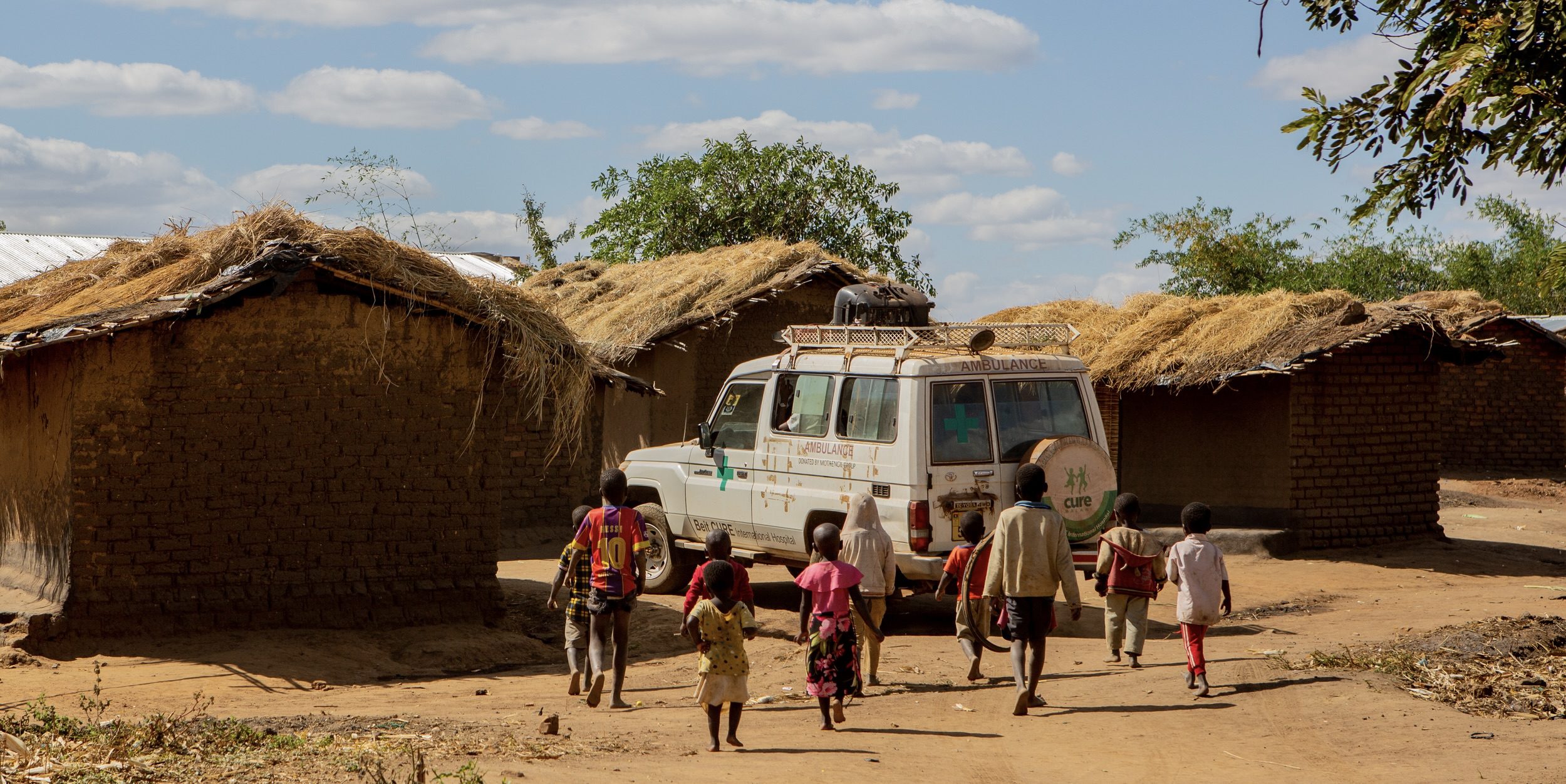
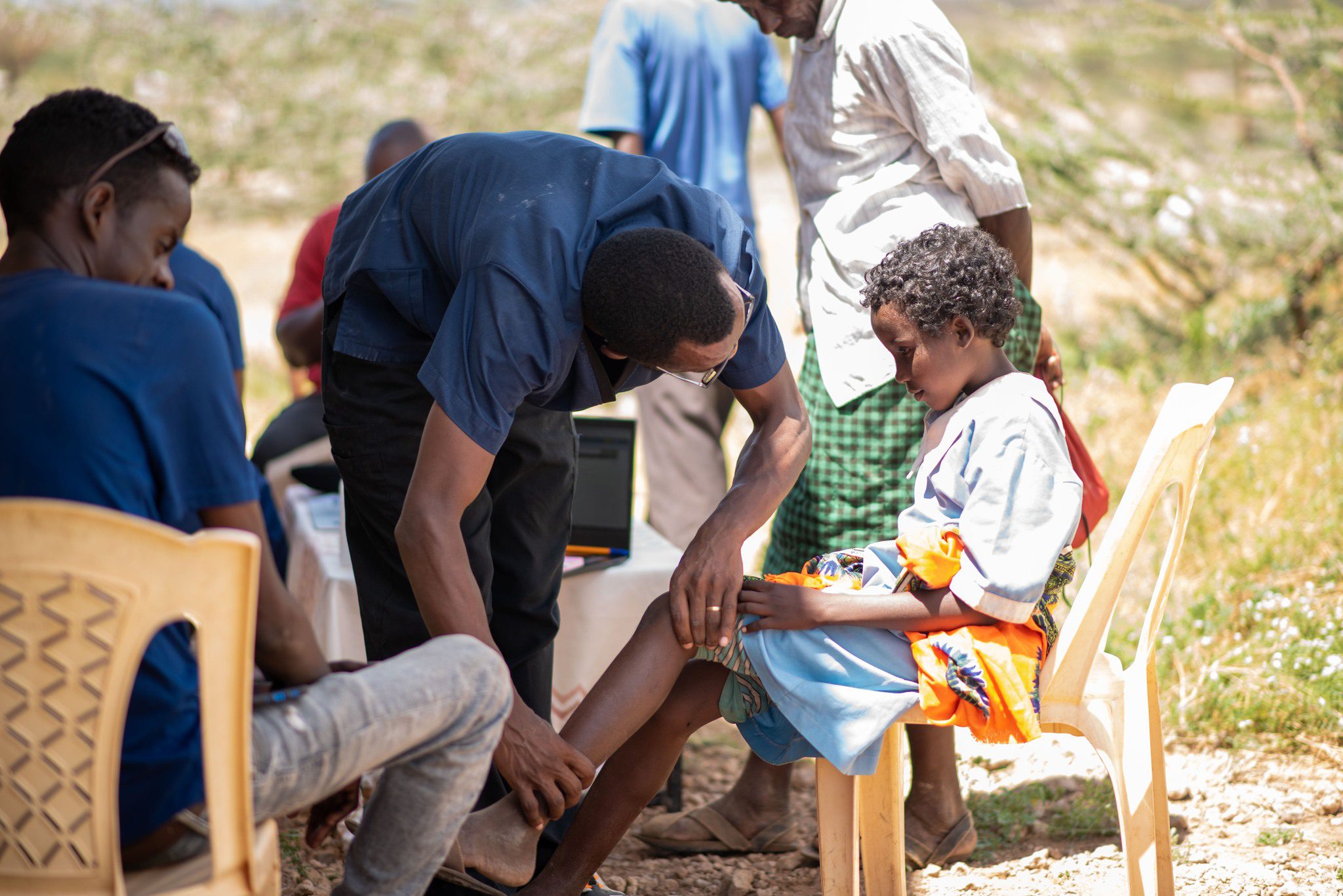
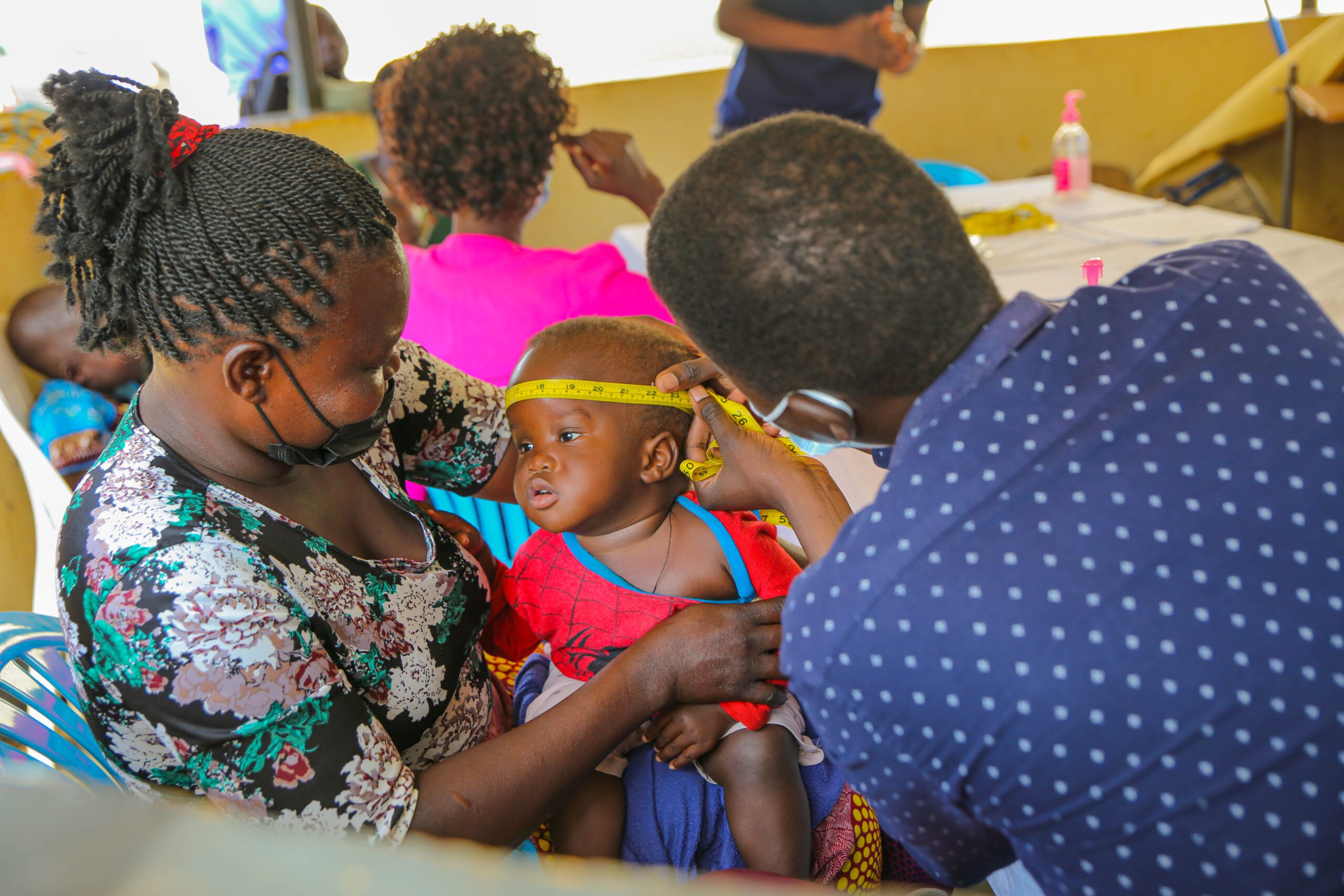
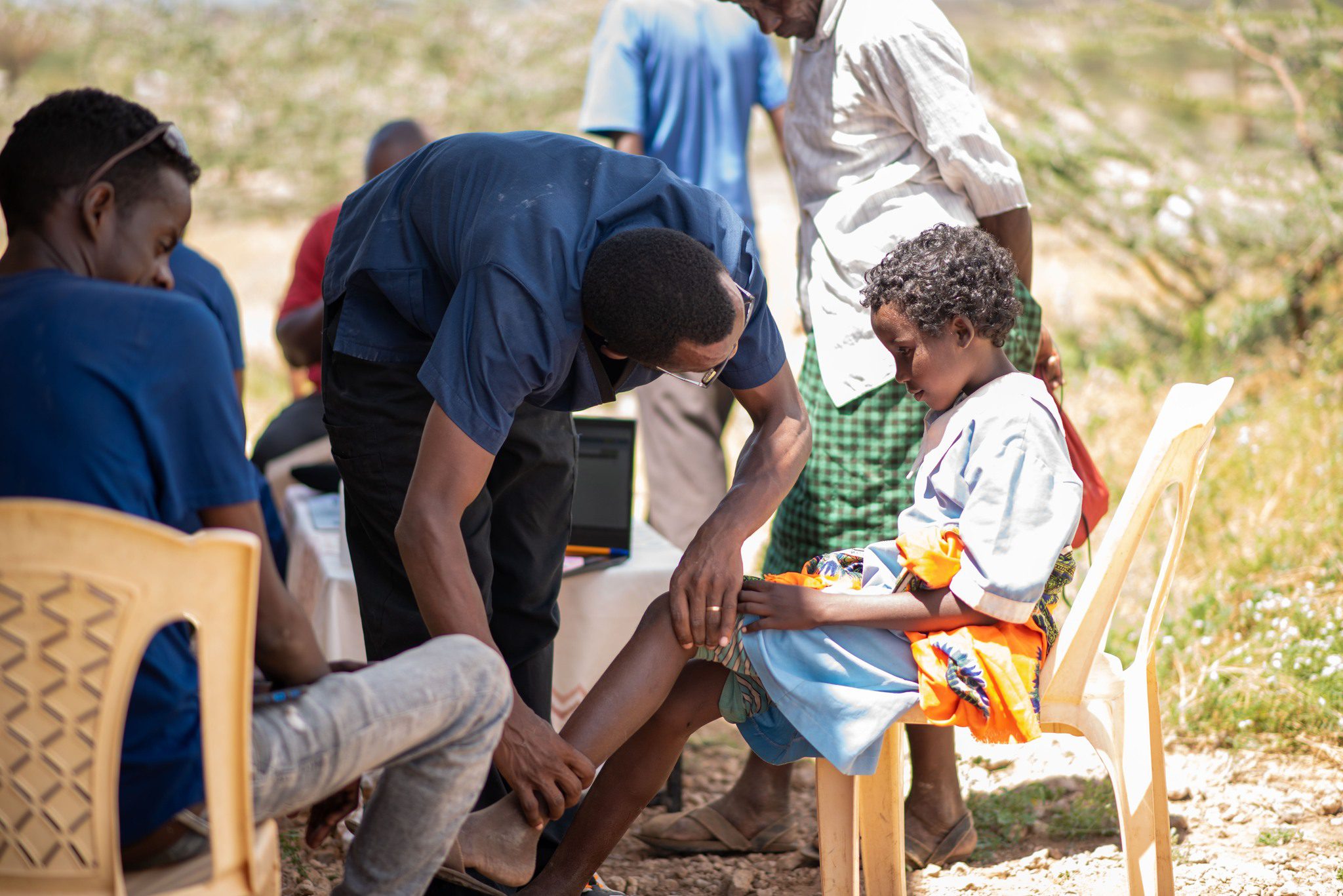
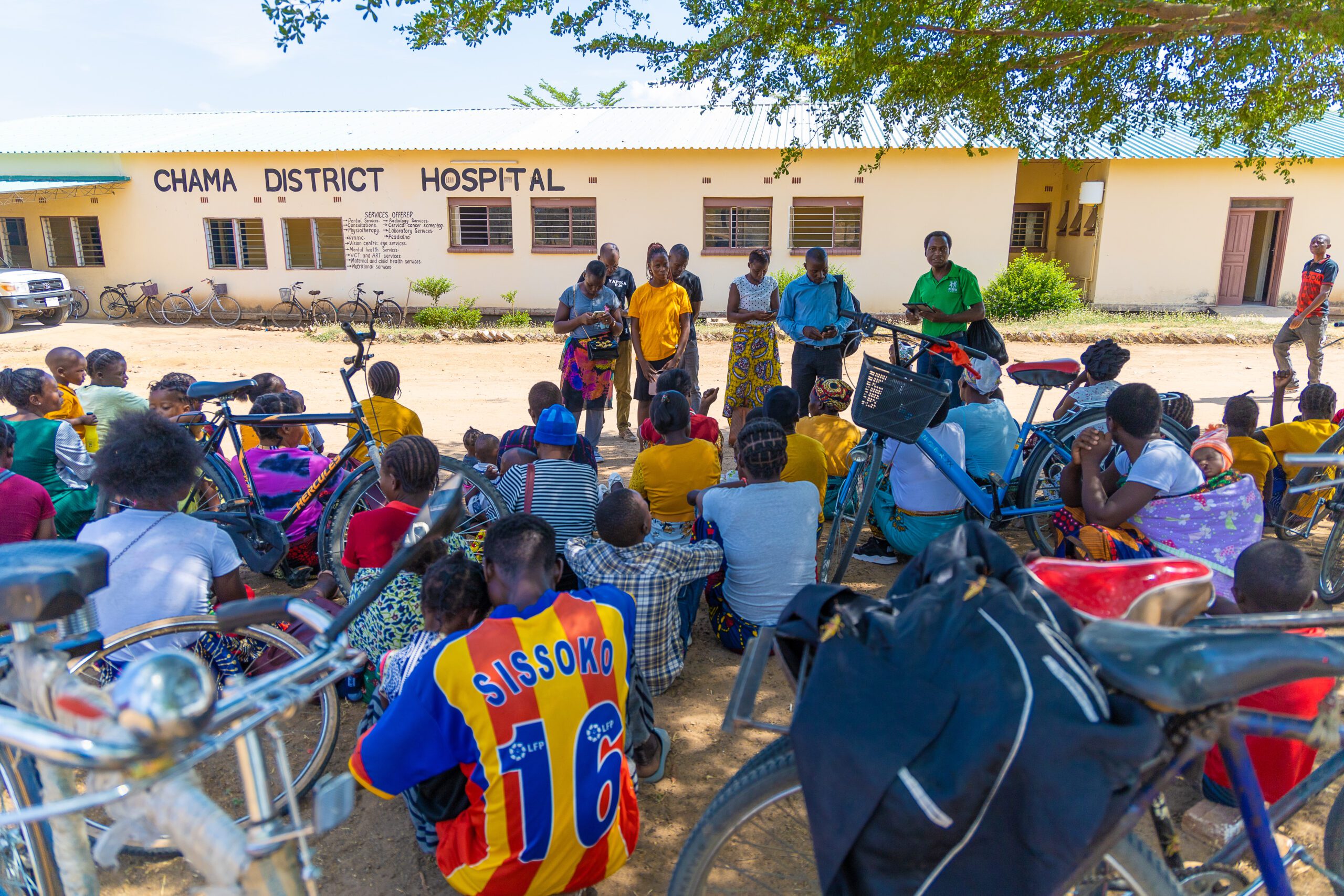
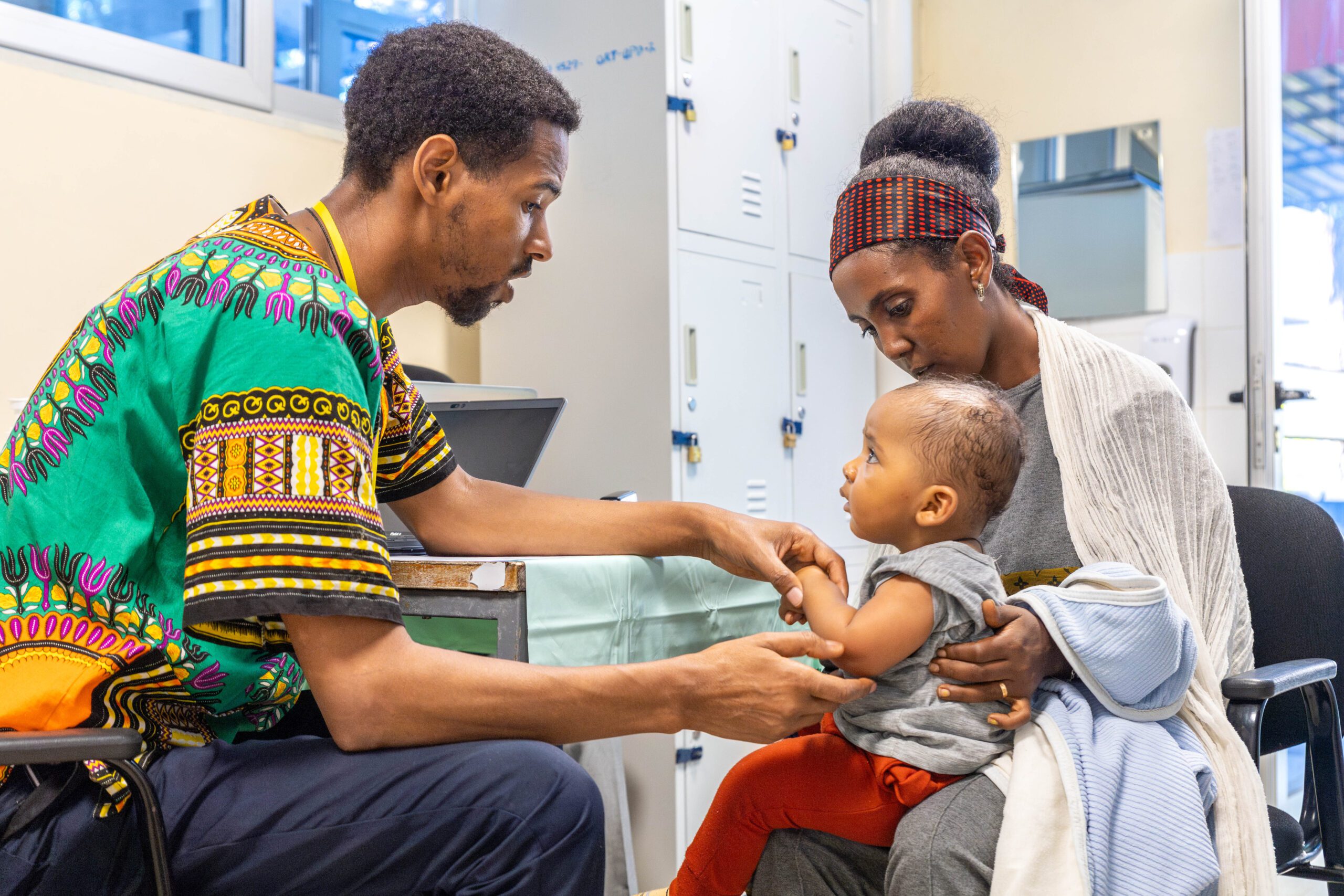
Through our mobile clinics, CURE sends our medical and ministry teams to reach and serve these children and families on the margins of society.
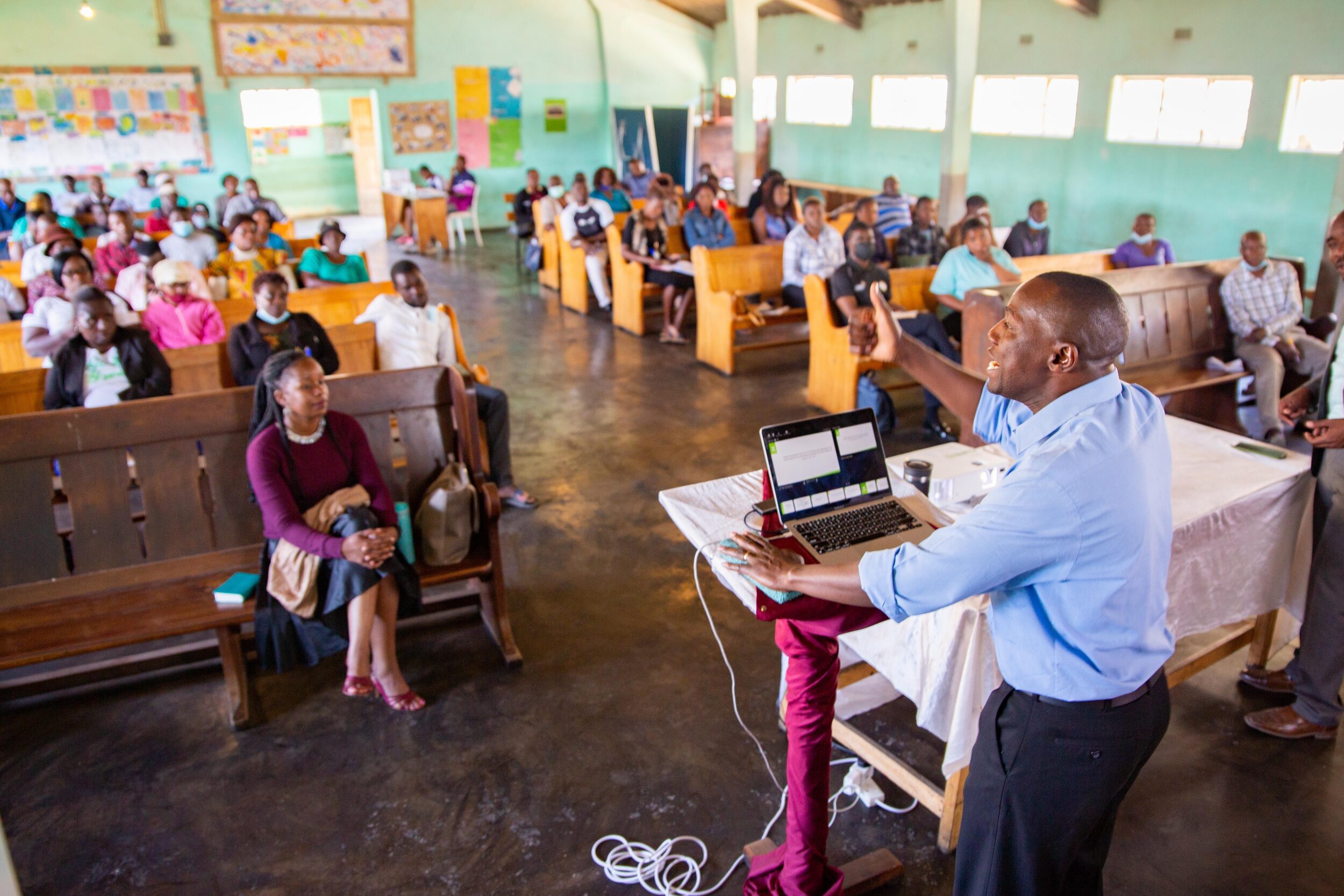
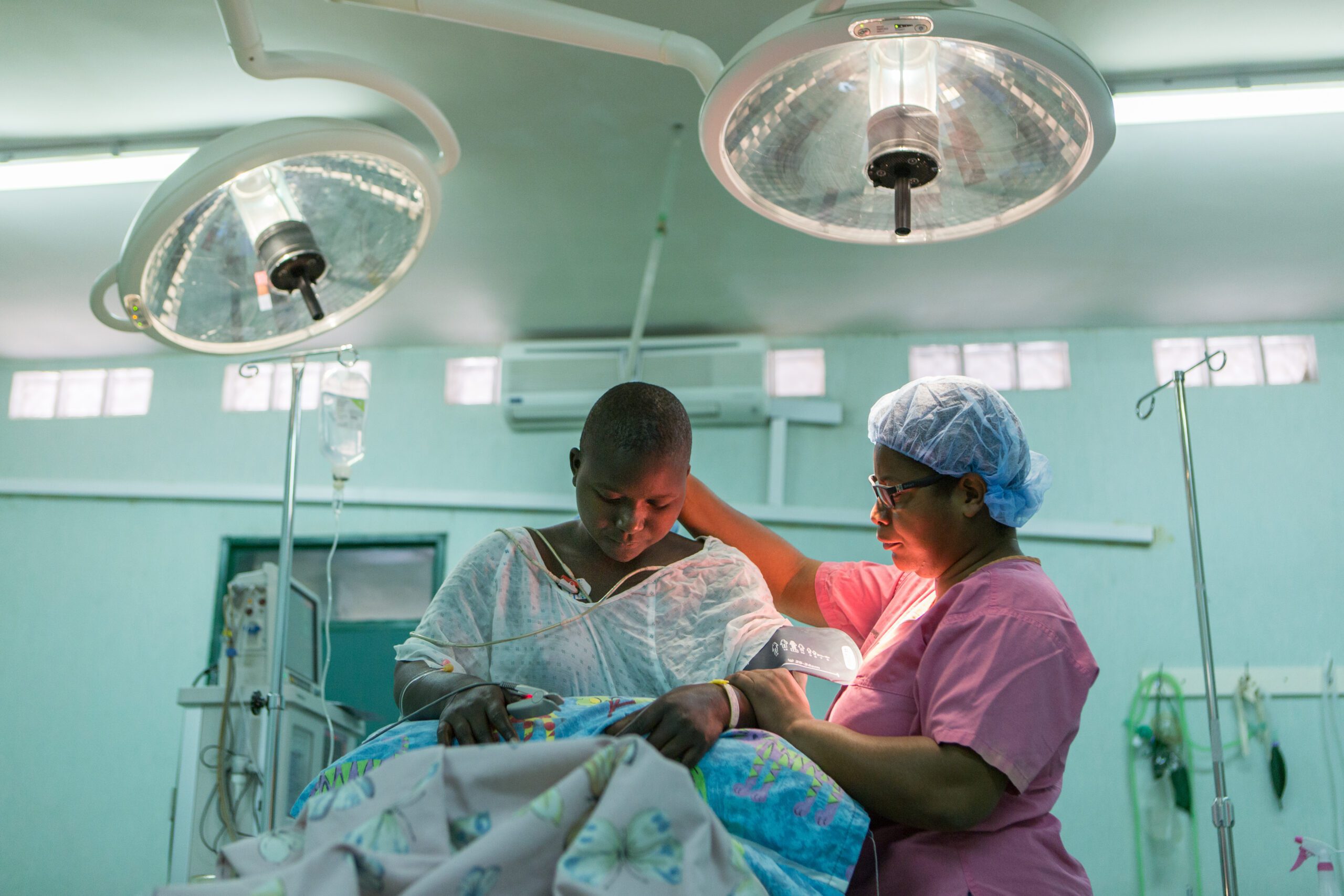
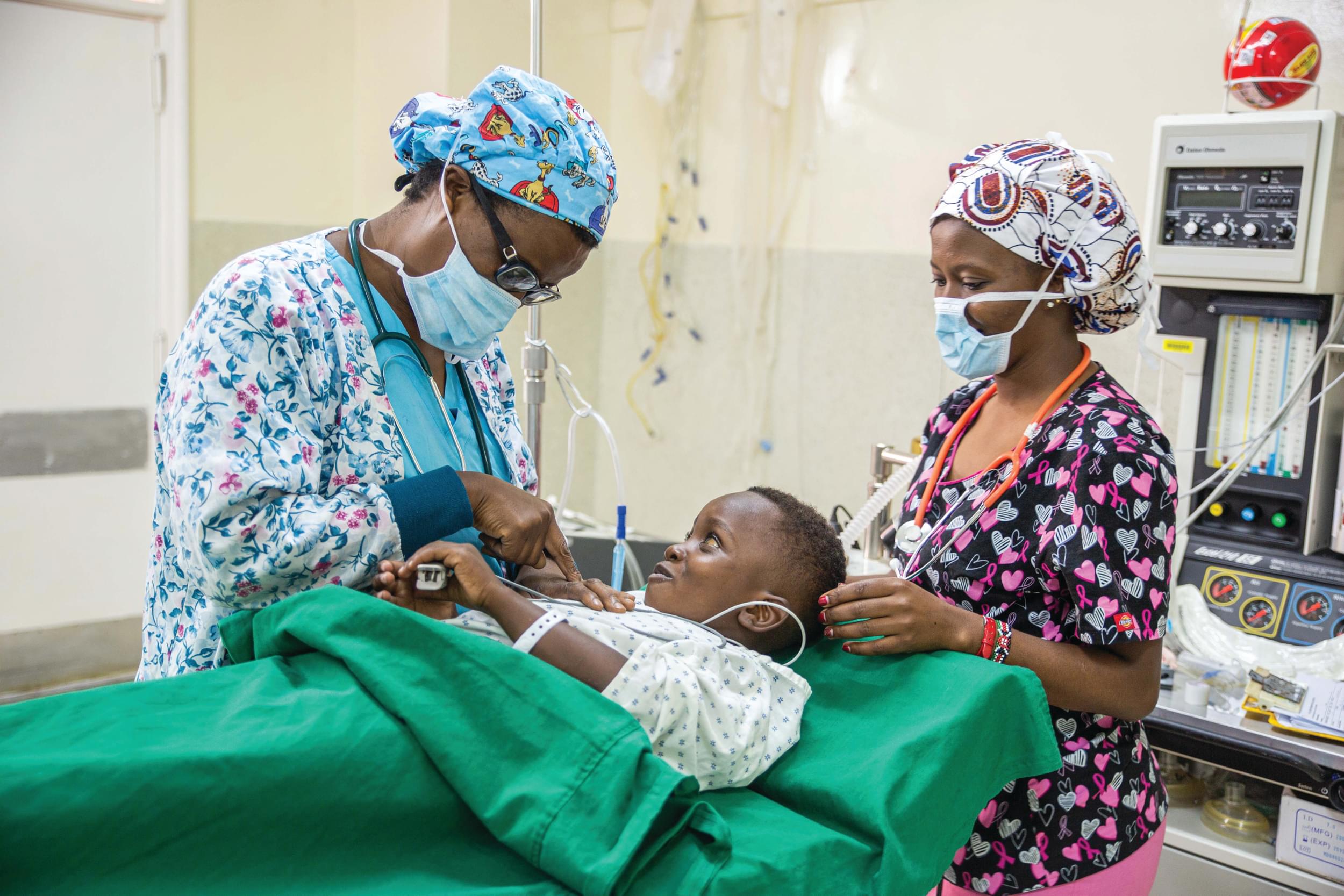
CURE mobile clinics intentionally travel to rural villages and towns, refugee camps, and sparsely populated regions to provide medical consultations and refer children to CURE hospitals. Our mobile clinics operate at local health clinics and regional hospitals. During the clinic, doctors can offer basic medical services, refer children in need of surgery to CURE, and provide follow-up care for post-operative patients. And through partnerships with local pastors and churches, parents and children with disabilities can receive counseling, encouragement, and the good news of Jesus while talking with trusted Christian leaders.
More About Mobile Clinics
CURE currently conducts mobile clinics in Ethiopia, Kenya, Malawi, Niger, Philippines, Uganda, Zambia, and Zimbabwe. Within the countries where we serve, our doctors and ministry leaders go where the need is—into remote villages, war-torn regions, and refugee camps. They bring much-needed medical and ministry care to the unreached, the marginalized, the impoverished. They find children living with disabilities like clubfoot, cleft lip, and untreated burns and refer them to CURE for surgical care.
At times, our teams will even cross borders to reach people in need of medical care. For example, a mobile clinic team from CURE Uganda regularly crosses into South Sudan to serve children who need neurosurgical care.
CURE can set up a functioning mobile clinic just about anywhere. We’ve held clinics in local churches, universities, community medical centers, mission hospitals, and partnering government hospitals.
CURE’s medical and ministry teams reach mobile clinic locations primarily by van. Occasionally, when necessary, they’ve gone by foot, motorbike, boat, and plane. Through our partnership with Mission Aviation Fellowship, CURE’s medical and ministry teams fly in airplanes to reach remote regions more quickly.
During every mobile clinic, CURE’s medical team evaluates each patient, treating basic medical needs and referring those who would benefit from surgery to CURE hospitals. When surgery at CURE is not an option, doctors refer patients to other service providers and partner organizations that may be able to assist children with the care they need. For every patient or caregiver who is seen, CURE staff takes the time to explain the medical condition, the cause, and, if applicable, treatment options. In this way, they can work to dispel any false and harmful traditional beliefs about disability.
Because it’s often easier for patients who’ve already had surgery at CURE to access a nearby mobile clinic than return to the hospital for follow-up appointments, medical teams also provide check-ups for post-surgical patients at mobile clinics.
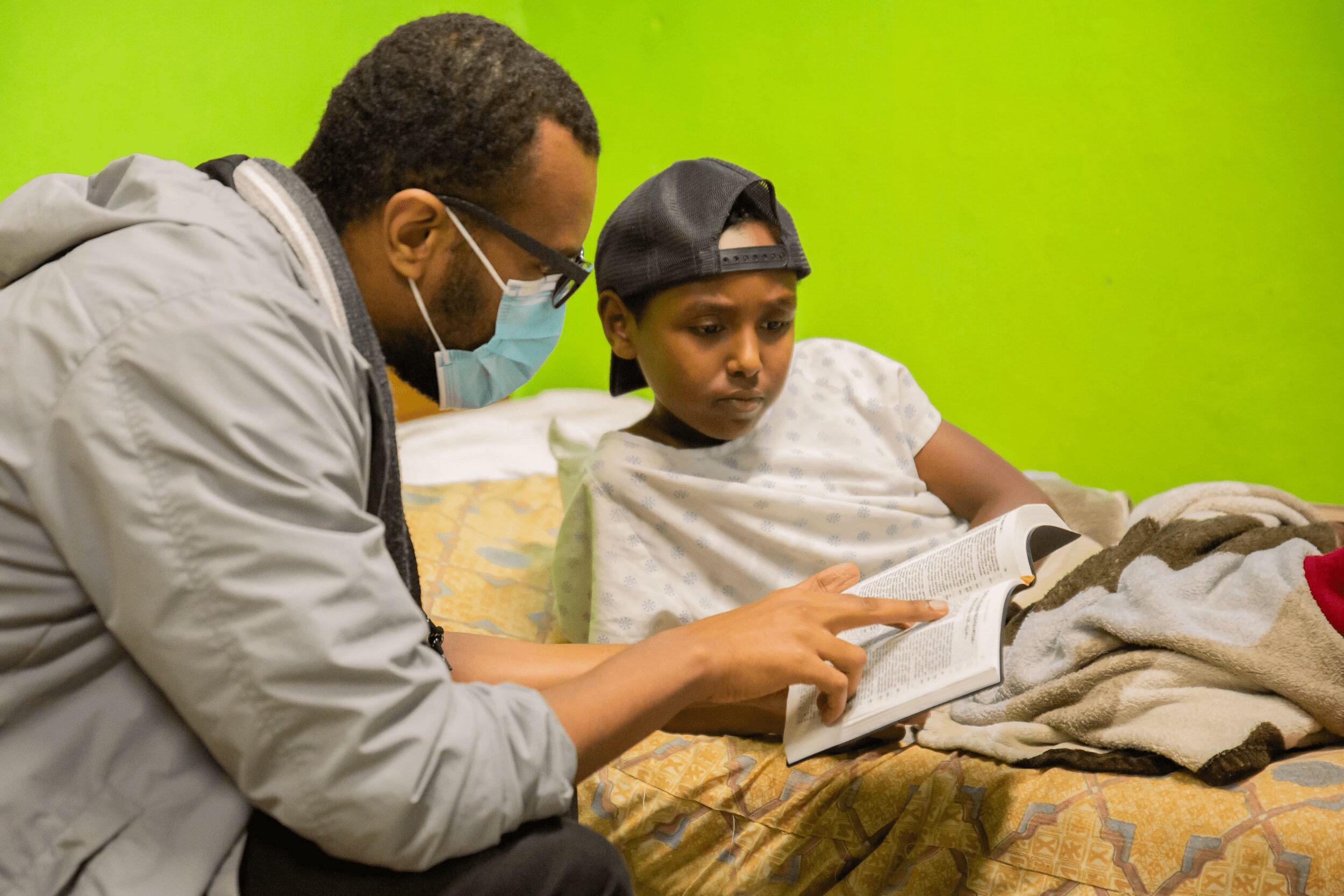
CURE’s partnering church leaders and pastors attend mobile clinics to meet with each child and caregiver, providing a warm welcome and helping them fill out forms. By the time the families leave the mobile clinic, every single person will have heard the good news of Jesus Christ and will be more informed about the God-given value and dignity of people of all abilities. Upon the completion of a mobile clinic, partner pastors and church leaders continue to follow up with the children and families they served.
CURE employs a variety of methods to get the word out about upcoming mobile clinics. Depending on the region, we may advertise upcoming clinics over the radio and on our social media, our hospital websites, and public billboards. Strategic partnerships with community medical centers, government hospitals, national ministries of health, and local churches and schools provide another avenue through which patients can be identified and referred to a CURE mobile clinic. And it’s not uncommon for people to learn about mobile clinics through word of mouth.
Learn more about ministry at CURE.
See how CURE’S approach to healing goes beyond simply treating symptoms to minister with hope from God’s Word.